
Blog
Foam vs. Traditional Rubber Suction Cups: Material Options and When to Use Each
Compare suction cups for automation—learn when to use foam, rubber, or bellows based on surface, speed, and wear.


Compare suction cups for automation—learn when to use foam, rubber, or bellows based on surface, speed, and wear.
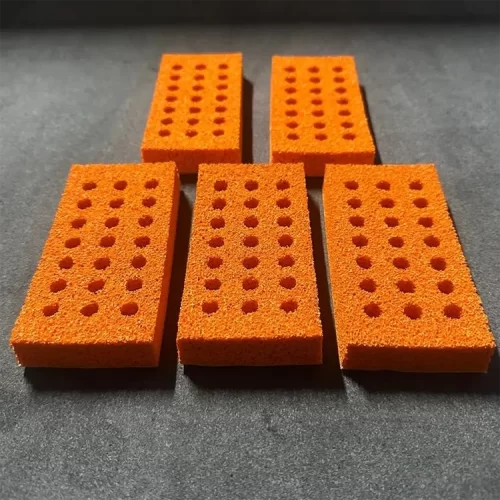
Get precise with foam suction cup sizing, materials, and vacuum tuning—plus tips from real automation applications.

Foam suction cups solve gripping issues on rough, porous, and oily surfaces by boosting vacuum flow and contact area.
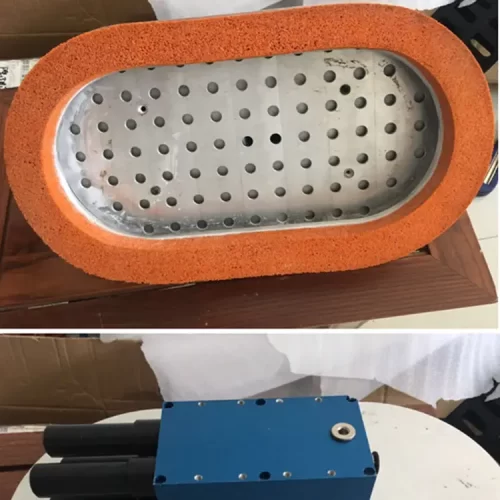
Learn the key factors that determine suction cup life—from material to maintenance—and how to reduce cost over time.
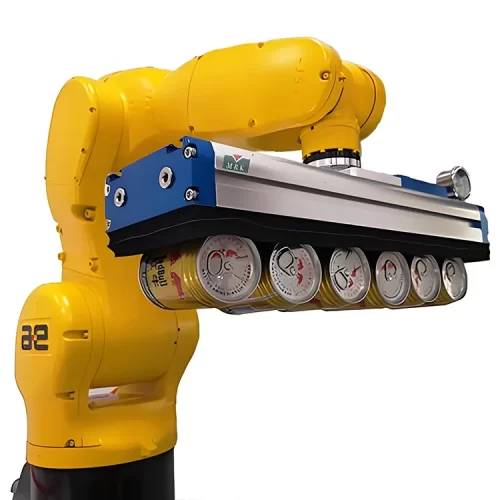
Rubber cups not working? Foam suction cups improve grip on porous, dusty, and curved surfaces—here’s how by industry.
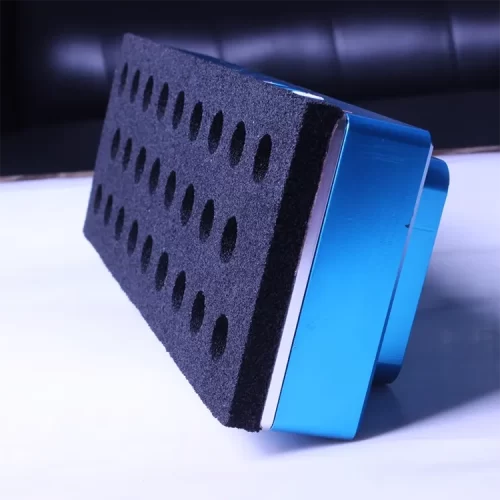
A practical troubleshooting guide for foam suction cups—diagnose drop-offs, slow pick-up, surface marking, and vacuum overload, with proven fixes for stable automation.
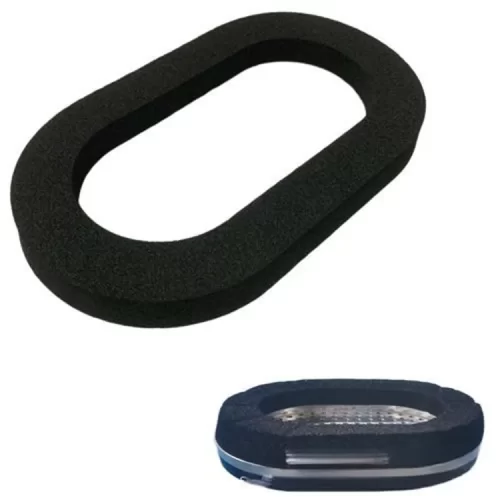
A practical guide to foam suction cups—how they work, where they outperform rubber cups, and how to select the right size, material, and hardness for reliable automation.
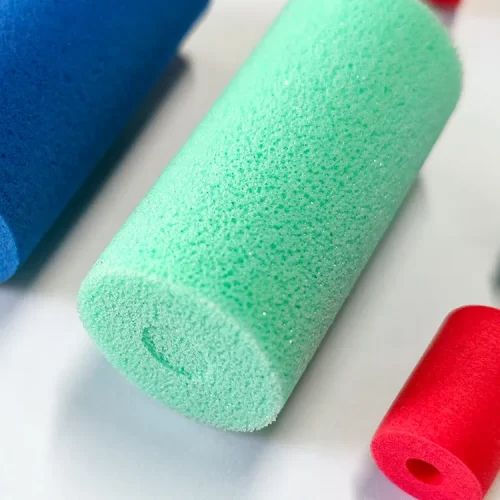
A practical application-focused guide showing how polyurethane foam cylinders are used in machinery, robotics, vehicles, HVAC systems, construction, and energy absorption projects.
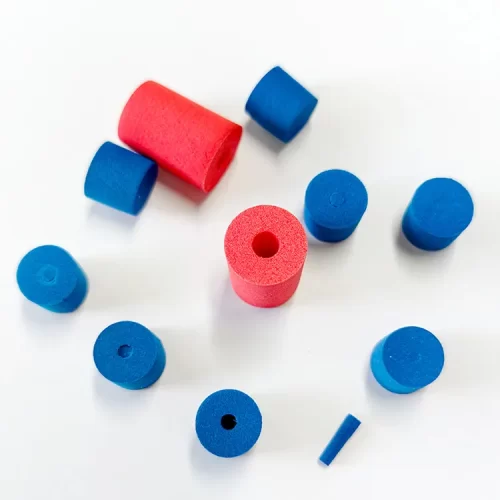
A complete guide explaining what polyurethane foam cylinders are, how they’re made, their core properties, and why they’re used in vibration damping, cushioning, insulation, and industrial applications.
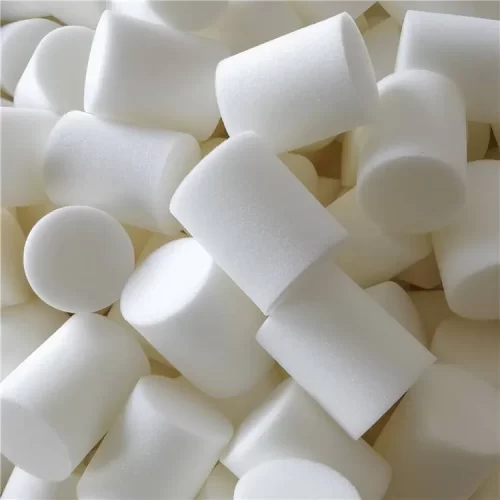
A detailed engineer-oriented selection guide covering density ranges, hardness levels, compression behavior, load-bearing requirements, tolerances, lifespan, and design considerations for polyurethane foam cylinders.

A comparison guide evaluating polyurethane foam cylinders against EVA, NBR, silicone, and PE foam, helping engineers and buyers understand performance, damping, cost, and durability differences.
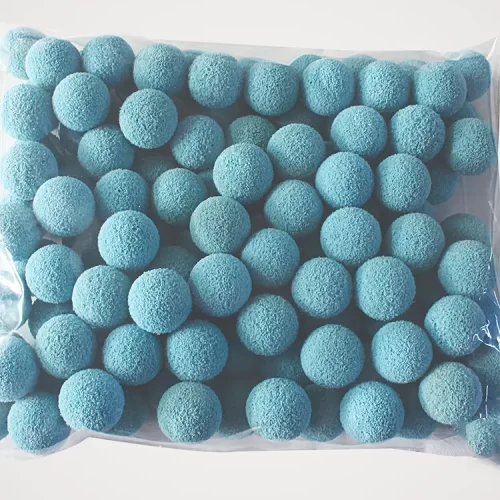
A practical ATCS selection guide: match sponge ball surface type and hardness to fouling mode, set a sensible dosing plan, and monitor KPIs to optimize performance and lifespan.